

Air Pollution Can Enters The Bloodstream in 60 minutes—New Study Reveals Critical Protection Gap
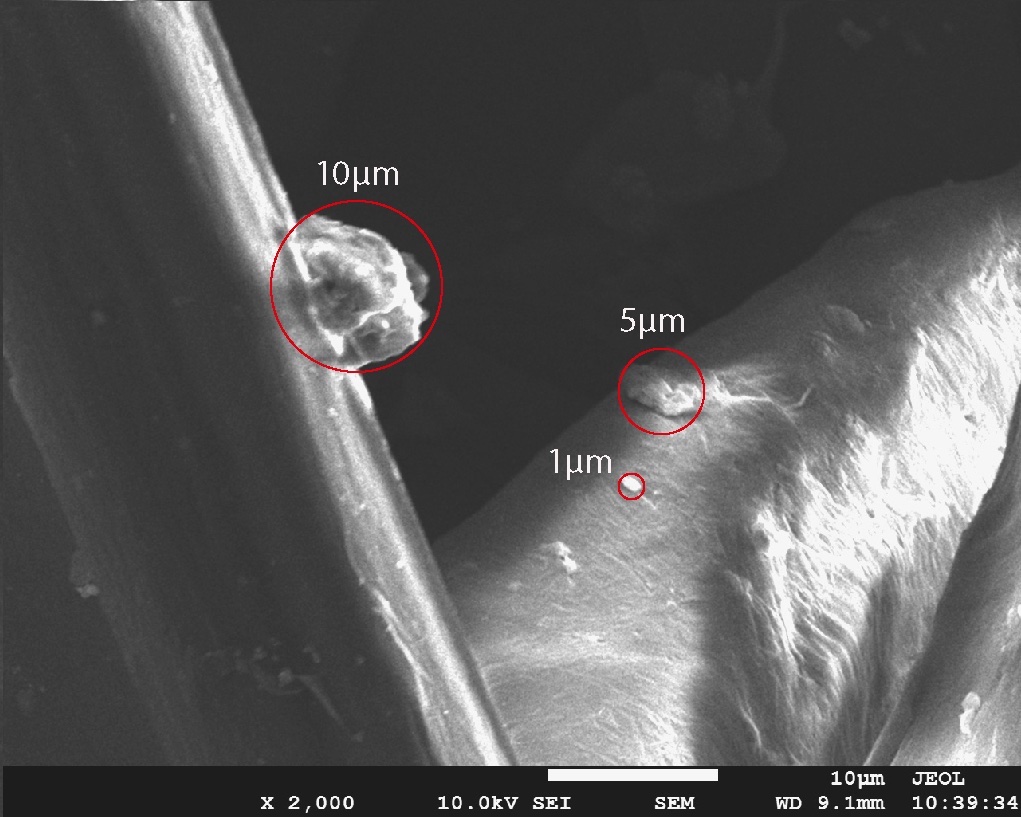
Under 2000x Microscope, particles range from 1 ~10 micron arrested by Totobobo filters
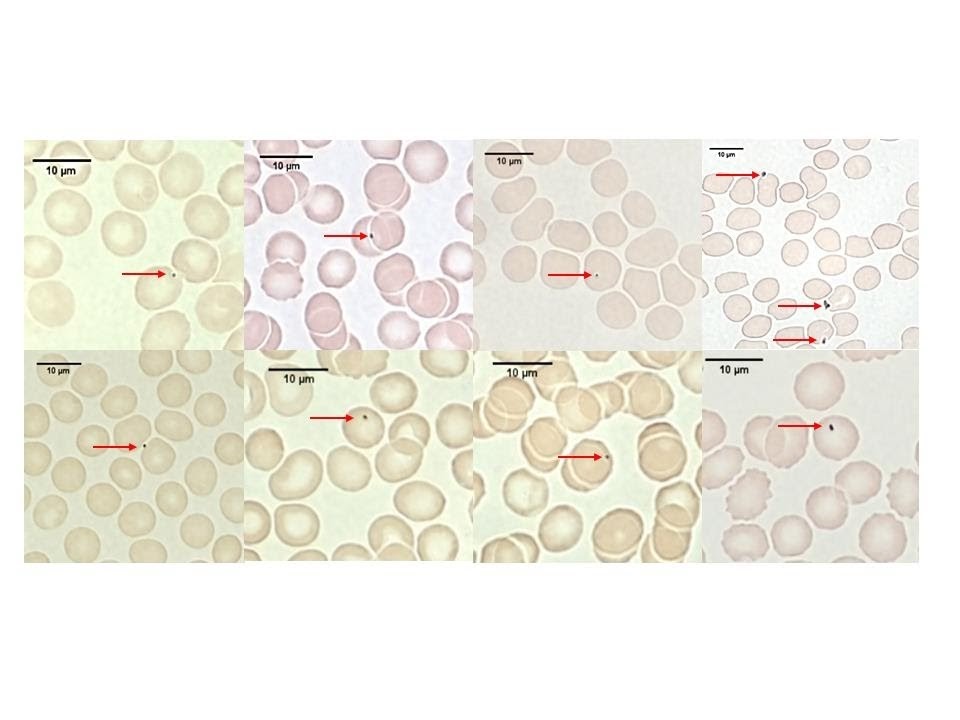
Representative light microscopy images of carbonaceous (black) particles adherent to red blood cells (red arrows) from healthy volunteers. Each image is from a different adult volunteer.
Pollution Enters the Bloodstream: Research raises concerns for people living in polluted cities across India and Southeast Asia, including Manila and Bangkok
New scientific research has found that ultrafine air pollution particles generated by road traffic can enter the human bloodstream within as little as one hour of exposure, highlighting potential health risks for people living and commuting in heavily congested cities across India and Southeast Asia, including Manila and Bangkok.
Researchers from Queen Mary University of London (QMUL) have produced the first direct visual evidence showing that ultrafine particles—smaller than 0.1 microns—can attach to red blood cells and circulate throughout the body, potentially reaching organs such as the brain and heart.
Bloodstream Entry Confirmed After One Hour of Exposure
In a study published in ERJ Open Research in October 2025 (Adherence of traffic-related particles to human red blood cells in vivo), a research team led by Professor Jonathan Grigg exposed 12 healthy adult volunteers to typical roadside traffic conditions in London for one hour. Blood samples collected after exposure were analysed using advanced microscopy techniques.
The study identified:
A two- to three-fold increase in red blood cells carrying particulate matter
Millions of blood cells with attached ultrafine particles
Presence of metals commonly associated with vehicle exhaust and brake wear, including iron, copper, and chromium
“These observations show that ultrafine air pollution particles can attach to red blood cells, which means they have the potential to travel throughout the body,” said Professor Grigg.
Respiratory Protection Tested Under Real-World Traffic Conditions
In a follow-up phase of the same study, eight participants repeated the roadside exposure while wearing FFP2-grade respirators (equivalent to N95). Researchers found no increase in particulate matter attached to red blood cells when effective respiratory protection was used.
The findings indicate that appropriate respiratory protection can significantly reduce the transfer of ultrafine pollution particles into the bloodstream.
Not All Certified Masks Perform Equally
Additional research from Queen Mary University of London, published in Thorax (BMJ, Supplement 3, A162.2), further examined how different masks perform in real roadside conditions. In that study, five commonly used masks, including N95, Surgical mask, Totobobo mask, Respro City and Dettol Protect+, were evaluated under live-traffic exposure.
The results showed substantial variation in protection levels, even among masks that met recognised certification standards. Researchers identified facial seal and individual fit as critical factors influencing real-world effectiveness.
The study concluded that filtration performance alone does not determine protection; air leakage around the face can significantly reduce a mask’s ability to limit exposure to pollutants.
Implications for Urban Populations
Researchers note that exposure to ultrafine traffic-related particles is particularly relevant for:
Daily commuters in congested urban environments
Cyclists and pedestrians travelling near traffic corridors
Outdoor workers and delivery riders
Children, pregnant women, and individuals with cardiovascular or respiratory conditions
Professor Ane Johannessen of the European Respiratory Society commented that the research “provides important insight into how ultrafine particles may reach organs throughout the body via the bloodstream and suggests that appropriate respiratory protection could reduce this exposure.”
Conclusion
Together, the QMUL studies provide new evidence that traffic-related air pollution poses systemic health risks beyond the respiratory system and that the real-world effectiveness of protective masks depends heavily on individual fit and facial seal.
The findings underscore the importance of considering both exposure reduction strategies and personal protective measures for populations living and working in high-traffic urban environments across Asia and globally.
____________________
Research collaboration
Further independent research is encouraged to expand understanding of real-world exposure to traffic-related ultrafine particles and the effectiveness of respiratory protection in urban environments.
Universities and research institutes interested in collaborative or observational studies may contact: francis@totobobo.com
News Desk
Dream Lab One Pte. Ltd.
+65 8807 9692
francis@totobobo.com
Legal Disclaimer:
EIN Presswire provides this news content "as is" without warranty of any kind. We do not accept any responsibility or liability for the accuracy, content, images, videos, licenses, completeness, legality, or reliability of the information contained in this article. If you have any complaints or copyright issues related to this article, kindly contact the author above.
